What Is Wedding Tourism? How Weddings Create Travel and Local Experiences
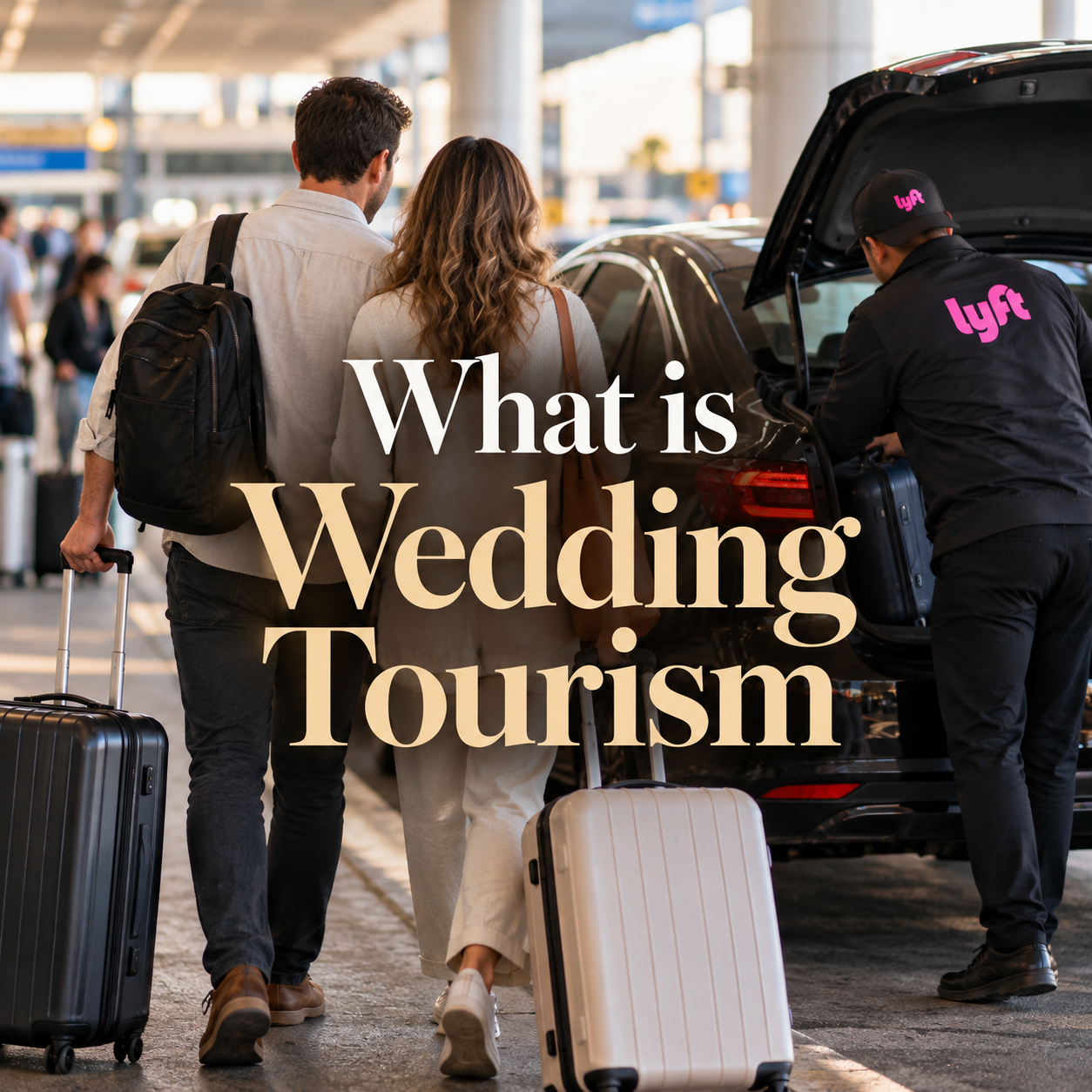
What Is Wedding Tourism? Wedding tourism is the travel, lodging, dining, entertainment, shopping and local experiences generated when couples and their wedding guests travel to a destination for a wedding. A wedding does not have to take place at a tropical resort or require a flight across the country to create wedding tourism.
If guests travel from Philadelphia to Lancaster, Pennsylvania for a wedding, stay in a local hotel, eat at area restaurants, visit an orchard, explore a historic downtown, shop at local businesses or extend their visit through Sunday, that wedding is contributing to the local wedding tourism economy.
At WeddingVenueOwners.com, we believe locally owned wedding venues have an important opportunity to help couples think beyond the wedding day and begin planning the entire wedding guest experience.
Wedding Tourism Is Bigger Than the Wedding Venue
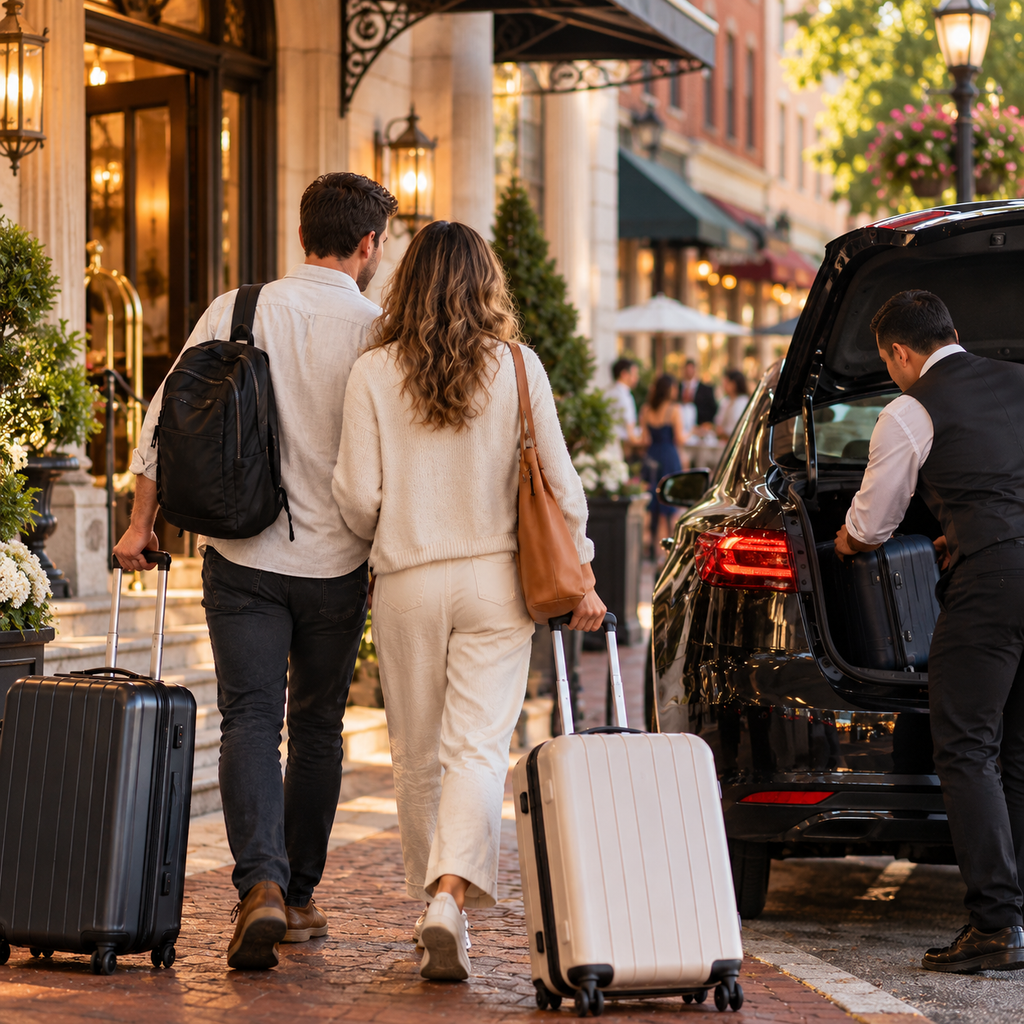
Consider everything a wedding guest may purchase during a wedding weekend:
Hotels and bed and breakfasts
Restaurants and coffee shops
Transportation and shuttle services
Breweries, wineries and distilleries
Local attractions
Museums and historic sites
Shopping
Outdoor recreation
Brunch
Entertainment
Gas and transportation
When dozens or even hundreds of wedding guests visit a community at the same time, the economic impact can extend well beyond the wedding venue. This is why wedding venues can become valuable tourism resources for both couples and their guests.
Wedding Tourism Is Already Happening on Wedding Websites
One of the clearest signs of wedding tourism can be found somewhere you might not expect: the couple’s wedding website.
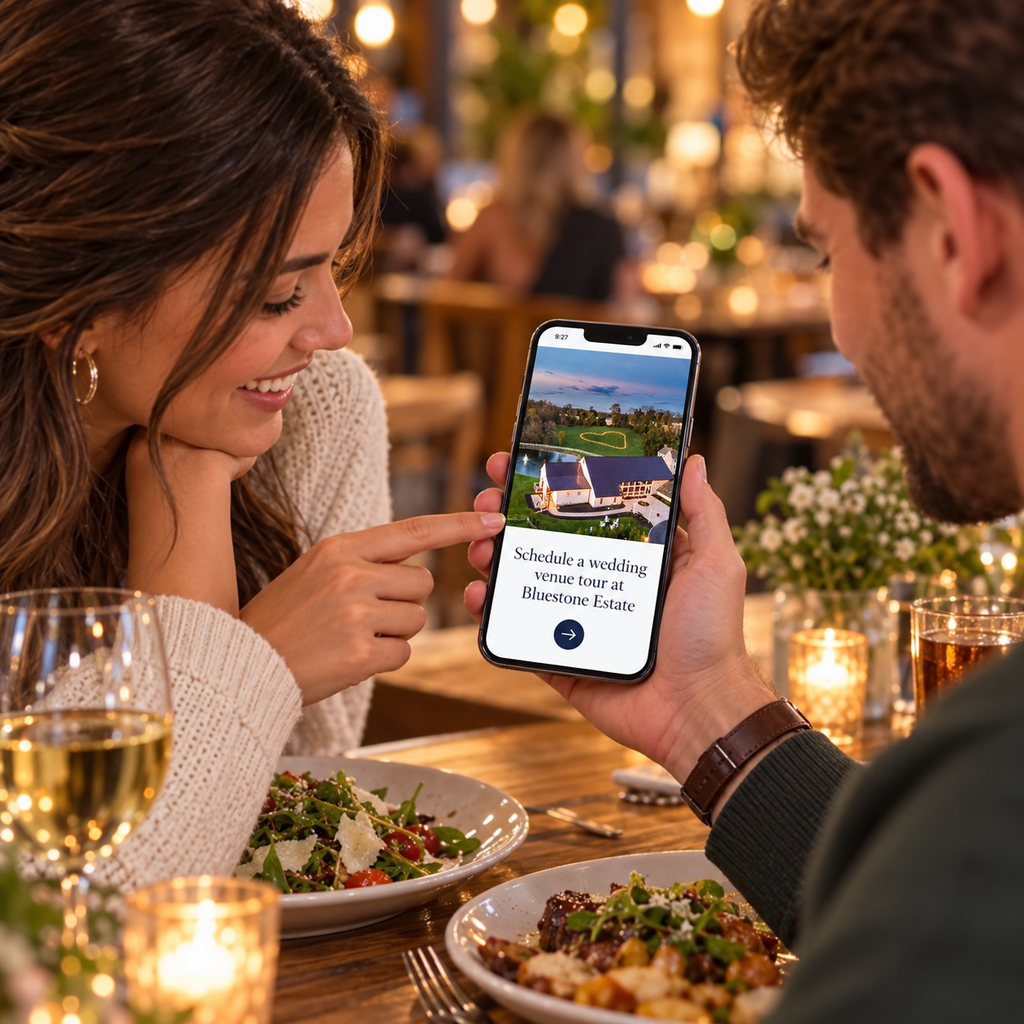
Wedding websites were once primarily a place to share the wedding date, venue address, registry and hotel block. Today, many couples are using them as miniature destination guides for their wedding guests.
WeddingVenueOwners.com reviewed a sample of publicly available 2025 and 2026 wedding websites representing weddings in communities across the United States.
The recommendations extended far beyond hotels.
Couples were helping their wedding guests find:
Restaurants
Coffee and breakfast spots
Breweries, wineries and local bars
Historic attractions
Museums and cultural attractions
Parks, hiking trails and scenic areas
Beaches and waterfront activities
Local boutiques and shopping districts
Farmers markets
Family-friendly attractions
Golf and recreation
Concerts, theaters and nightlife
Local festivals and seasonal activities
Boat tours, kayaking and outdoor excursions
Walkable downtown districts
Nearby towns worth exploring
Day trips
Brunch spots for the morning after the wedding
Transportation and rideshare information
Parking information
Scenic drives and sightseeing routes
In other words, couples are not simply telling their guests where to sleep.
They are helping them decide what to eat, where to go, what to see and how to experience the community surrounding the wedding.
That is wedding tourism.
The Wedding Weekend Is Getting Longer
There is also national data showing why this matters.
Zola’s 2026 First Look Report surveyed more than 11,500 couples getting married in 2026 and found that 37% are planning at least one additional wedding event, such as a welcome party or post-wedding brunch. Another 18% are planning a full two-to-three-day wedding weekend.
The Knot’s study of couples married in 2025 reported an average wedding size of 117 guests.
Consider what can happen when even a portion of those guests arrive on Friday instead of Saturday.
They may book another hotel night.
They may eat dinner at a locally owned restaurant.
They may visit a brewery.
They may buy coffee Saturday morning.
They may shop downtown.
They may visit a museum, orchard, historic property or park.
They may use local transportation.
They may attend Sunday brunch before driving home.
The economic footprint of the wedding is suddenly much larger than the transactions occurring inside the wedding venue.
A Wedding Venue Can Be the Beginning of Someone’s Visit
This is an important distinction in how we define wedding tourism.
A wedding does not need to qualify as a traditional destination wedding for tourism to occur.
A guest traveling two hours from Philadelphia to attend a Lancaster wedding can participate in wedding tourism.
A family traveling from Washington, D.C. to Charlottesville can participate in wedding tourism.
A guest spending a weekend near Cincinnati, Greenville, Spokane, St. Louis, Wilmington or Ann Arbor because someone they love is getting married can participate in wedding tourism.
For many guests, the wedding venue may be the reason they discover the destination in the first place.
That creates an enormous opportunity for locally owned wedding venues.
Instead of directing guests to a hotel and stopping there, the wedding venue can become one of the most useful local travel resources involved in the entire wedding.
And when venues help couples and guests discover restaurants, accommodations, historic attractions, transportation, shopping, recreation and local experiences, the value of that wedding spreads throughout the community.
Wedding Venues Can Help Guests Experience the Destination
Instead of simply providing an address and ceremony start time, wedding venues can help guests understand why they may want to arrive early, stay overnight and experience the surrounding community.
A venue website can provide resources such as:
Things to do near the wedding venue
Hotels closest to the venue
Best restaurants for wedding guests
Coffee shops for the morning after the wedding
Local attractions and historic sites
Seasonal festivals and events
Transportation information
Weekend itineraries
Guides for guests traveling from nearby cities
This type of content can also introduce couples to a wedding destination long before they begin comparing individual venues.
For example, a Philadelphia couple researching a fall road trip to Lancaster County may discover apple orchards, countryside scenery, historic towns and weekend experiences before they ever search specifically for a Lancaster wedding venue.
That creates an opportunity for a locally owned venue to become part of the couple’s discovery process much earlier.
Fall Road Trip From Philadelphia to Lancaster
Wedding Tourism and the Wedding Guest Experience
Wedding tourism is closely connected to the Wedding Guest Experience.
A guest who drives several hours to a wedding, attends the reception and immediately drives home has a very different experience from a guest who checks into a charming hotel, explores the destination, enjoys the wedding without worrying about the drive home and spends the next morning having brunch with friends or family.
Wedding venues can help make that second experience easier to plan.
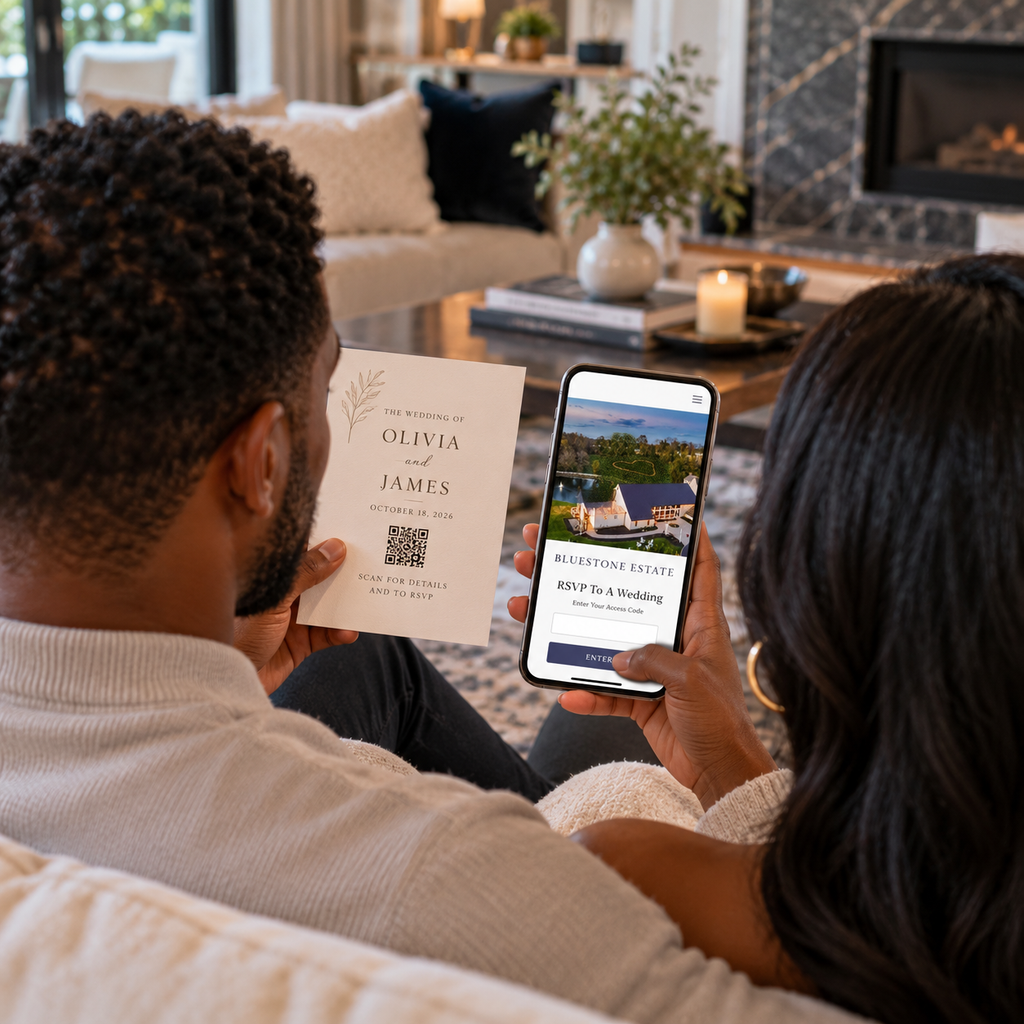
Technology can help too. The Peak Venue Wedding Guest RSVP System allows venues to provide wedding guests with information, resources and communication through the venue’s own website while helping couples organize the guest experience.
The Wedding Guest RSVP System is a strong example of how wedding venues can extend their role far beyond the wedding day itself. Bluestone Estate has embraced this approach by making wedding guest experience, wedding tourism and weekend planning an important part of how they serve couples and their guests.
Through its Wedding Guest Experience guides featured in the Wedding Venue Blog Library, Bluestone Estate provides practical resources for couples planning a wedding weekend in Lancaster, including guidance specifically designed for guests traveling from Philadelphia and New Jersey.
What makes this approach especially valuable is the level of local insight behind it. Rather than simply telling guests where the wedding will take place, Bluestone Estate helps them understand how to experience the destination, where to stay, how to travel, what to explore and how to make the most of the entire weekend.
Wedding venues like Bluestone Estate are helping redefine what thoughtful hospitality can look like. By creating resources tailored to their venue, their city, their region and the travel needs of their guests, they are improving the wedding experience before guests ever arrive and long after the reception ends.
Why Wedding Tourism Matters to Locally Owned Wedding Venues
Wedding venues are often one of the primary reasons visitors travel to smaller cities, rural communities and destinations they may otherwise never have visited. That gives locally owned wedding venues an opportunity to become more than a place where a wedding happens.
They can become guides to their community. By creating useful local content and helping couples plan an entire wedding weekend, wedding venues can support local businesses, improve the guest experience and give couples another reason to choose their destination.
Wedding tourism turns one wedding day into an opportunity for guests to discover an entire community.
And for wedding venues, that can become an increasingly important part of how couples discover where they want to get married.